By Dietician Mehak Garg
Home remedies have long been interwoven into our cultural fabric, passed down through generations as trusted cures for everyday ailments. From turmeric-infused milk to honey-lemon concoctions, nearly every household possesses its own repertoire of “time-tested” solutions.
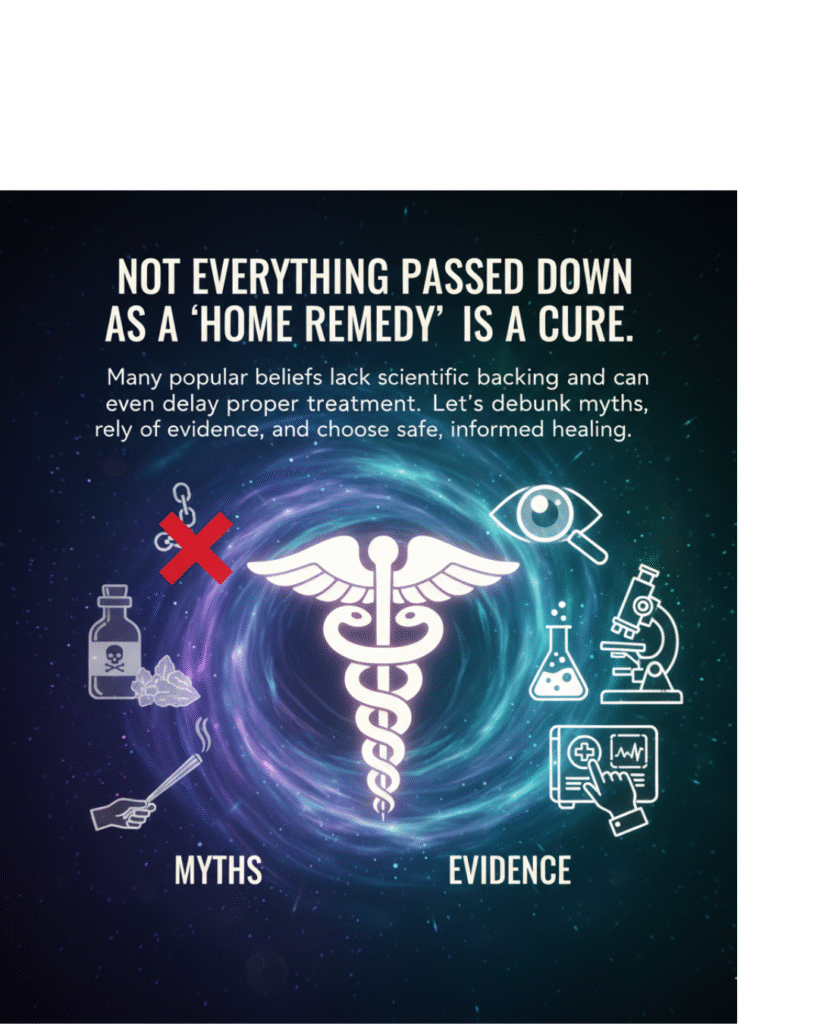
While certain traditional practices genuinely complement health, many others are misinterpreted, overstated, or even detrimental when misapplied. It is time to demystify the subject and distinguish myth from reality.
Myth 1: “Natural remedies are always safe.”
Fact: The term “natural” is not synonymous with “harmless.” Even plant-based or herbal substances can provoke adverse reactions or interfere with prescribed medications. For instance, excessive consumption of turmeric may cause gastrointestinal distress, while aloe vera juice can dangerously lower blood glucose levels in individuals with diabetes.
It is imperative to seek professional guidance before incorporating any natural remedy into your daily routine.
Myth 2: “Honey and lemon water melt belly fat.”
Fact: No single ingredient possesses the power to selectively burn fat in one area of the body. While honey and lemon water may aid digestion and hydration, they do not trigger fat oxidation or weight reduction independently. Sustainable weight loss arises only through balanced nutrition, consistent physical activity, and disciplined lifestyle choices.
Myth 3: “Detox drinks can cleanse your body.”
Fact: The human body already possesses sophisticated detoxification systems — namely, the liver and kidneys. No externally prepared “detox” beverage can outperform these natural organs. Rather than relying on commercial detox teas or juices, prioritize whole foods, adequate hydration, and minimal intake of refined sugars and alcohol to enhance the body’s innate cleansing processes.
Myth 4: “Home remedies can cure serious diseases.”
Fact: While certain home-based interventions may alleviate symptoms or support recovery, they cannot substitute for medical treatment. Relying solely on homemade concoctions for chronic conditions such as diabetes, thyroid disorders, or infections may delay essential medical care and lead to severe complications.
Myth 5: “If it worked for someone else, it’ll work for me.”
Fact: Each individual’s physiology and health profile are unique. A remedy effective for one person may provoke adverse effects in another, depending on differences in metabolism, medical conditions, and allergies. Personalized care — not imitation — ensures safety and effectiveness.
A Balanced Approach
When practiced wisely, certain traditional remedies — like ginger tea for a sore throat or turmeric for mild inflammation — can indeed provide relief. However, self-medication without professional oversight may lead to more harm than benefit.
The ideal approach lies in harmonizing traditional wisdom with evidence-based nutrition and medical science.
Takeaway
Home remedies can serve as valuable adjuncts in maintaining health and wellness, but they are not substitutes for balanced nutrition, medical evaluation, or clinical therapy. Use them mindfully, moderately, and under expert supervision.