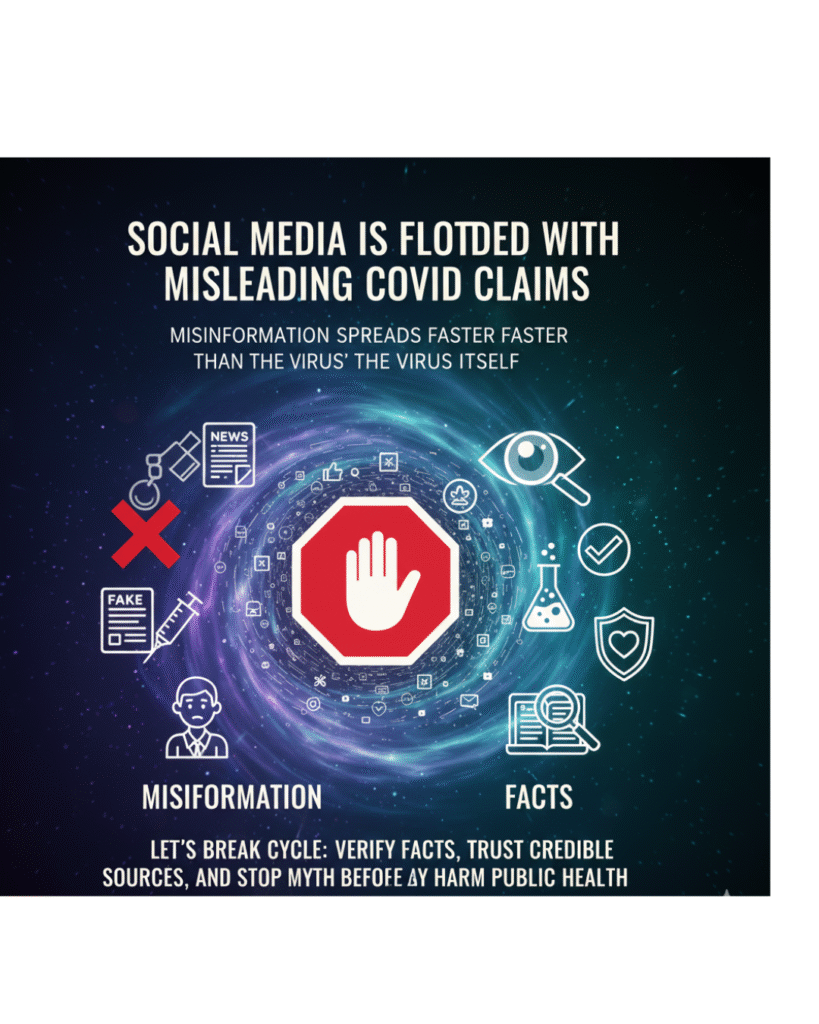
The COVID-19 pandemic brought global activity to a standstill, yet it simultaneously gave rise to an unprecedented surge of information — and misinformation. Social media platforms, though valuable for maintaining connectivity, have also become fertile grounds for the spread of myths concerning the virus, its transmission, and treatment options. Such misconceptions can be harmful, leading individuals to make ill-informed decisions that endanger both their health and that of the broader community.
Presented below are some prevalent COVID-19 myths circulating on social media, accompanied by evidence-based clarifications.
**Myth 1: “COVID-19 is akin to the common cold.”
Reality: While COVID-19 may manifest with mild symptoms in some individuals, it can also lead to severe illness, hospitalization, or long-term complications, even in healthy people. Unlike the common cold, it exhibits greater transmissibility and poses significantly higher risks to older adults and those with underlying medical conditions.
**Myth 2: “Masks are ineffectual.”
Reality: Masks remain a scientifically validated means of reducing viral transmission. They limit the spread of respiratory droplets and offer protection, particularly in crowded or enclosed environments. Their effectiveness depends on proper and consistent usage.
**Myth 3: “Severe illness affects only the elderly.”
Reality: Although older adults are at higher risk, COVID-19 can affect individuals of all ages. Younger, seemingly healthy people have also experienced serious illness, long-term post-infection symptoms (long COVID), and complications such as blood clots and cardiac issues.
**Myth 4: “Vaccines are unsafe and can induce COVID-19.”
Reality: COVID-19 vaccines do not contain the live virus and cannot cause infection. They work by training the immune system to recognize and combat the virus effectively. Reported side effects are generally mild and temporary, such as fatigue or low-grade fever. Extensive clinical data confirm that vaccination substantially reduces the risk of severe disease, hospitalization, and death.
**Myth 5: “Home remedies like garlic, turmeric, or steam inhalation can cure COVID-19.”
Reality: While certain foods and herbs support overall immunity, none can prevent or cure COVID-19. Relying solely on home remedies instead of evidence-based medical care or vaccination can be dangerous and counterproductive.
**Myth 6: “Testing is unnecessary if asymptomatic.”
Reality: Asymptomatic individuals can still transmit the virus to others. Testing facilitates early detection, helps prevent further spread, and plays a vital role in community health management.
Strategies to Combat Misinformation
- Verify sources: Depend on updates and data provided by the World Health Organization (WHO), the Centers for Disease Control and Prevention (CDC), and other credible public health agencies.
- Avoid sharing unverified content: Refrain from circulating information unless it originates from a reliable and validated source.
- Seek expert guidance: Consult certified healthcare professionals for accurate medical advice.
- Stay informed: Continue to follow evolving scientific guidance as understanding of the virus advances.
Conclusion
COVID-19 myths thrive in an environment of fear and uncertainty. By remaining informed, critically assessing information, and relying on evidence-based guidance, individuals can safeguard their health and contribute to community well-being. In the face of misinformation, knowledge and discernment remain our strongest defenses.