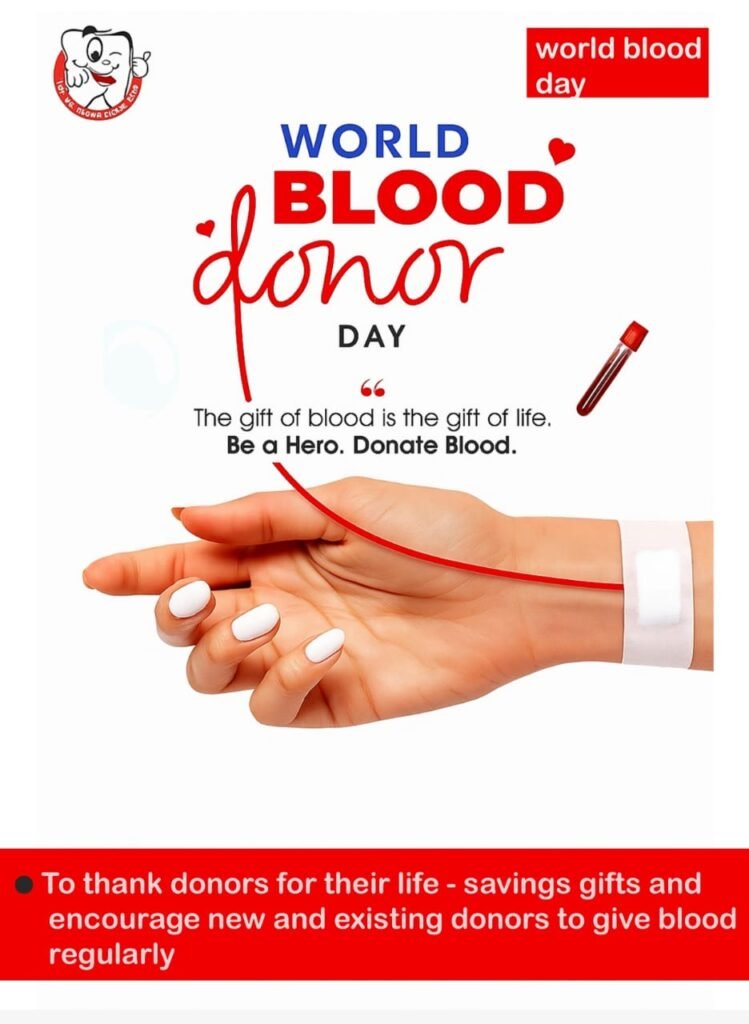
Annually, on June 14th, the global community observes World Blood Donor Day (WBDD) — an occasion dedicated to raising awareness about the vital importance of blood donation and recognizing the altruistic contributions of voluntary blood donors. Initiated by the World Health Organization (WHO), this observance underscores the indispensable role of safe blood and blood components in sustaining human life.
The Imperative of Blood Donation
Blood is a fundamental element of human survival. Each day, millions of patients around the world rely on transfusions due to surgical procedures, traumatic injuries, obstetric complications, anemia, cancer treatments, and various hematological disorders.
Remarkably, a single unit of donated blood can save up to three lives, making voluntary donation an act of profound humanitarian significance and collective responsibility.
Annual Themes and Objectives
Each year, World Blood Donor Day adopts a specific theme designed to promote engagement and education. Past themes have emphasized:
- Advocacy for voluntary, non-remunerated blood donation.
- Dissemination of knowledge regarding blood safety protocols.
- Demonstration of the global health impact of sustained blood donation initiatives.
These themes serve to inspire both individuals and institutions to strengthen blood donation programs and promote universal access to safe blood.
Eligibility Criteria for Donors
Blood donation is generally safe for individuals who meet the following criteria:
- Age: 18–65 years (subject to national guidelines).
- Minimum body weight: 50 kilograms.
- Health status: Free from major medical conditions such as HIV, hepatitis, or cardiovascular disease.
- Hemoglobin levels: Within the adequate range for donation.
Advantages of Blood Donation
Beyond the invaluable act of saving lives, blood donation offers several personal health benefits, including:
- Stimulation of erythropoiesis: Encourages the natural production of new red blood cells.
- Enhanced cardiovascular health: Regular donation may contribute to improved heart function.
- Health monitoring: Donors receive screening for key parameters such as hemoglobin levels, blood pressure, and pulse rate.
Modalities of Participation
- Donate Blood: Visit accredited blood banks, hospitals, or mobile donation units.
- Raise Awareness: Promote the importance of blood donation within family, social, and professional circles.
- Volunteer: Support the organization of blood drives or public health campaigns.
- Honor Donors: Recognize and celebrate the contributions of regular blood donors who help sustain the healthcare system.
Pre- and Post-Donation Precautions
- Consume a light, balanced meal and stay well-hydrated before donating.
- Avoid strenuous physical activity immediately after donation.
- Follow all post-donation instructions provided by medical staff to ensure recovery and safety.
Conclusion
World Blood Donor Day transcends symbolic recognition; it represents a powerful call to civic responsibility and humanitarian commitment. By embracing voluntary blood donation and advocating awareness, individuals actively contribute to a stronger, more compassionate, and healthier society.
A single act of donation can mean the difference between life and death for multiple recipients — a timeless reminder of the profound impact of giving life through generosity.