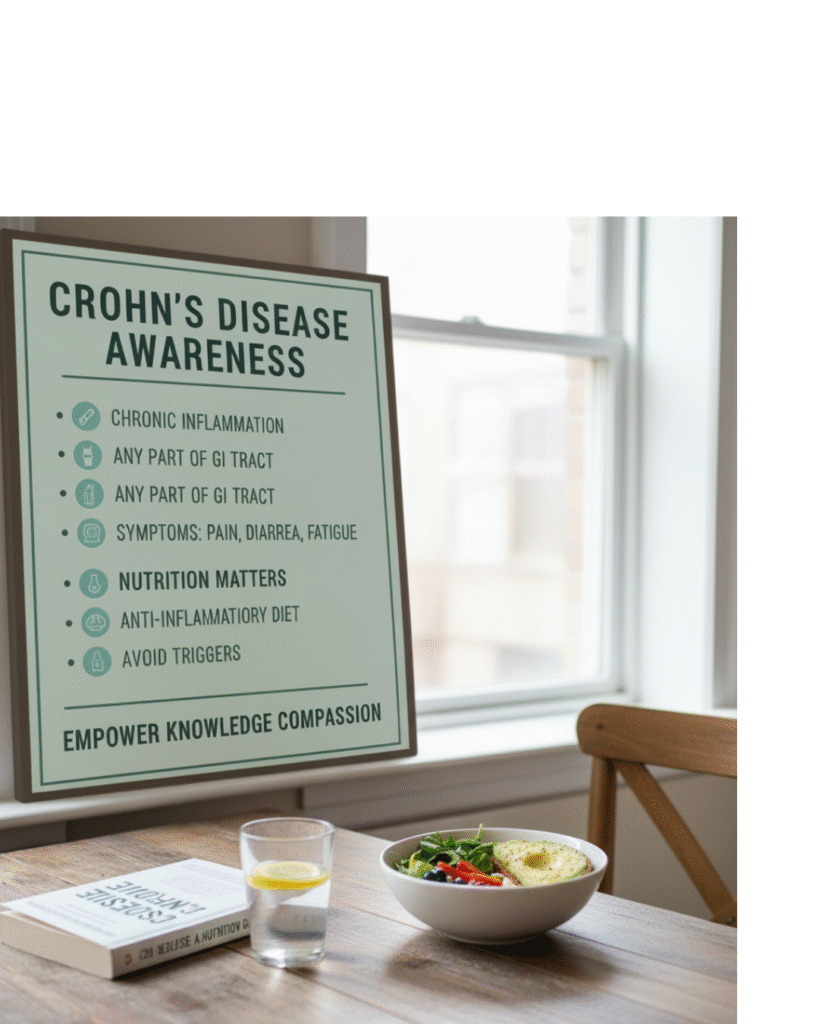
Crohn’s disease is a chronic, relapsing inflammatory disorder of the gastrointestinal (GI) tract, affecting millions worldwide. Classified under inflammatory bowel diseases (IBD), it involves persistent mucosal and transmural inflammation—most commonly in the terminal ileum and colon—though any portion of the GI tract may be affected. While its precise etiology remains incompletely understood, early diagnosis and comprehensive management are essential to preserve patient health and quality of life.
Pathophysiology of Crohn’s Disease
Crohn’s disease is characterized by immune-mediated dysregulation, wherein the body’s immune system inappropriately targets intestinal tissues, leading to chronic inflammation. This sustained inflammatory response can cause structural damage, including ulcerations, strictures, fistula formation, and nutrient malabsorption. The resulting transmural involvement distinguishes Crohn’s disease from other inflammatory bowel disorders, such as ulcerative colitis.
Clinical Manifestations
Symptoms vary depending on the affected region of the GI tract and the severity of inflammation. Common clinical features include:
- Chronic, often watery diarrhea
- Abdominal pain and cramping
- Presence of blood in stool (hematochezia or occult bleeding)
- Unintentional weight loss
- Fatigue and generalized weakness
- Loss of appetite (anorexia)
- Nutritional deficiencies due to impaired absorption
Extra-intestinal manifestations may also occur, including joint inflammation (arthropathy), skin lesions, eye inflammation (uveitis or episcleritis), and hepatobiliary complications.
Etiology and Predisposing Factors
While the precise cause of Crohn’s disease is not definitively established, several interrelated factors are known to contribute:
- Immune Dysregulation: Aberrant immune activation leads to chronic intestinal inflammation.
- Genetic Susceptibility: Familial clustering suggests a hereditary predisposition.
- Environmental Factors: Diet, stress, smoking, and certain medications can trigger or worsen disease activity.
- Gut Microbiome Alterations: Imbalances in intestinal flora (dysbiosis) may perpetuate mucosal inflammation.
Diagnostic Modalities
Diagnosis requires a comprehensive, multimodal evaluation:
- Laboratory Tests: Assessment of inflammatory markers (C-reactive protein, ESR) and anemia profiles.
- Stool Analysis: Exclusion of infectious causes and detection of fecal calprotectin as a marker of intestinal inflammation.
- Endoscopic Examination: Colonoscopy or upper endoscopy with biopsy to confirm mucosal and histopathological changes.
- Imaging Studies: MRI or CT enterography to assess structural complications such as strictures or fistulas.
Management Strategies
Although no definitive cure exists, Crohn’s disease can be effectively controlled through individualized, multidisciplinary management.
1. Pharmacotherapy
- Anti-inflammatory agents: Corticosteroids and aminosalicylates to control acute inflammatory episodes.
- Immunomodulators: Agents that suppress overactive immune responses to maintain remission.
- Biologic therapies: Monoclonal antibodies targeting specific inflammatory mediators (e.g., TNF-α inhibitors, integrin blockers).
- Antibiotics: Utilized to treat secondary infections or complications such as abscesses.
2. Nutritional Interventions
Dietary strategies play a central role in symptom management:
- Consuming small, frequent meals to ease digestion.
- Limiting high-fat, fried, and processed foods.
- Avoiding dairy if lactose intolerance is present.
- Ensuring proper hydration and supplementation with vitamins and minerals to correct deficiencies.
3. Surgical Management
Surgical intervention may be necessary for patients with refractory disease or complications such as strictures, fistulas, or bowel obstruction. Procedures may include resection of diseased segments or strictureplasty to restore bowel function.
4. Lifestyle Optimization
- Stress management: Incorporating meditation, yoga, or cognitive behavioral therapy.
- Smoking cessation: Eliminating tobacco use to reduce inflammatory exacerbations.
- Regular exercise: Promoting overall wellness and improved gut motility.
Conclusion
Crohn’s disease is a multifaceted, chronic inflammatory condition that demands a holistic and sustained management approach. Through early diagnosis, personalized pharmacologic therapy, dietary regulation, and lifestyle optimization, patients can significantly reduce disease activity, prevent complications, and enhance their quality of life. Proactive monitoring and patient education remain integral to achieving long-term stability and improved health outcomes.