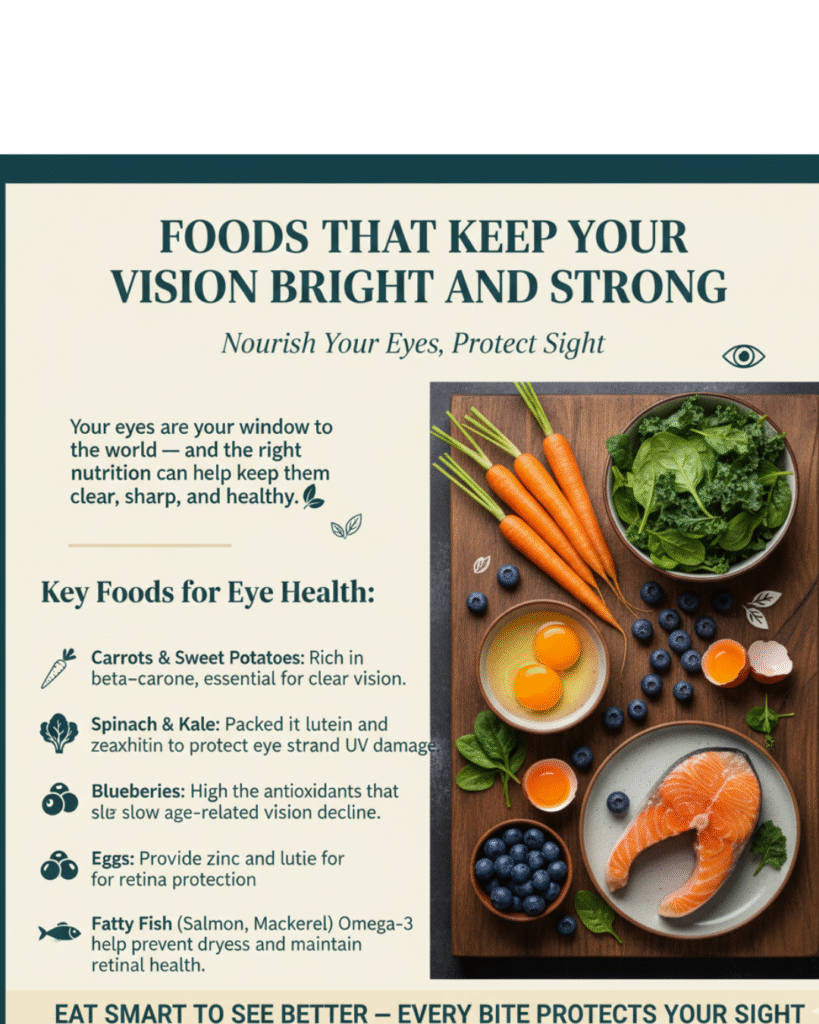
The human eye epitomizes biological sophistication — a meticulously structured organ that converts light into perception, thereby enabling cognition, spatial discernment, and aesthetic appreciation. In an epoch defined by relentless digital engagement, environmental pollutants, and nutritional negligence, the imperative to preserve ocular integrity has acquired unparalleled importance. Nutrition, in this context, emerges not merely as sustenance but as a potent determinant of visual longevity and ocular resilience.
Biochemical Foundations of Vision
Visual function is sustained through a complex interplay of photochemical reactions and neural transductions, intricately dependent on specific micronutrients, antioxidants, and lipid compounds. A deficiency in these bioactive elements can precipitate structural and functional deterioration of the retina, culminating in pathological manifestations such as age-related macular degeneration (AMD), cataractogenesis, and xerophthalmia.
Cardinal Nutrients Essential for Ocular Health
- Vitamin A (Retinol and Provitamin A Carotenoids)
Vitamin A constitutes the biochemical cornerstone of rhodopsin synthesis — the retinal photopigment responsible for scotopic (low-light) vision. Its insufficiency engenders epithelial keratinization and impaired dark adaptation.
Prominent Sources: Carrots, pumpkin, sweet potatoes, kale, and spinach. - Lutein and Zeaxanthin
These xanthophyll carotenoids accumulate within the macula lutea, where they function as endogenous optical filters. By attenuating photo-oxidative stress induced by blue light, they mitigate the progression of AMD and maintain macular pigment density.
Prominent Sources: Spinach, collard greens, broccoli, peas, and egg yolks. - Vitamin C (Ascorbic Acid)
As a robust aqueous-phase antioxidant, vitamin C neutralizes reactive oxygen species within ocular tissues, decelerating lens opacification and the onset of cataracts.
Prominent Sources: Citrus fruits, bell peppers, strawberries, kiwi, and guava. - Vitamin E (Alpha-Tocopherol)
A lipid-soluble antioxidant, vitamin E safeguards photoreceptor membranes from peroxidative degradation, thereby maintaining retinal homeostasis.
Prominent Sources: Almonds, sunflower seeds, hazelnuts, and avocados. - Omega-3 Polyunsaturated Fatty Acids (DHA and EPA)
Docosahexaenoic acid (DHA) constitutes a structural lipid of photoreceptor outer segments, essential for synaptic transmission and retinal function. Furthermore, omega-3s exhibit anti-inflammatory properties beneficial in the management of dry eye syndrome.
Prominent Sources: Salmon, mackerel, chia seeds, flaxseeds, and walnuts. - Zinc
Zinc serves as a catalytic cofactor in the metabolism of retinol to retinal, a critical reaction in the visual phototransduction cascade. Deficiency may impair dark adaptation and increase retinal susceptibility to oxidative injury.
Prominent Sources: Lentils, pumpkin seeds, chickpeas, and whole grains.
Dietary Paradigms Conducive to Ocular Preservation
Adherence to dietary regimens abundant in phytonutrients, carotenoids, and unsaturated lipids has demonstrated pronounced efficacy in attenuating degenerative ocular pathologies. The Mediterranean dietary pattern, characterized by high intakes of leafy vegetables, cold-water fish, and extra-virgin olive oil, exemplifies the nutritional architecture most favorable to ocular preservation.
Lifestyle Adjuncts to Nutritional Care
- Adequate Hydration: Sustains tear film stability and ocular surface homeostasis.
- Regulated Screen Exposure: Intermittent visual pauses alleviate digital eye strain and retinal fatigue.
- Sufficient Restorative Sleep: Facilitates retinal repair and photoreceptor regeneration.
- Ultraviolet Protection: The habitual use of UV-filtering eyewear mitigates photochemical retinal injury.
Conclusion
Visual acuity and ocular vitality are profoundly modulated by nutritional adequacy. The consistent consumption of micronutrient-dense foods enriched with carotenoids, antioxidants, and essential fatty acids fortifies the eye against oxidative and metabolic insults.
Ultimately, the preservation of sight transcends clinical intervention; it is an outcome of deliberate nutritional discipline and preventive care. Through the informed integration of ocular-specific nutrients, one may sustain not merely vision — but the very faculty through which life’s intricacies are perceived and appreciated.