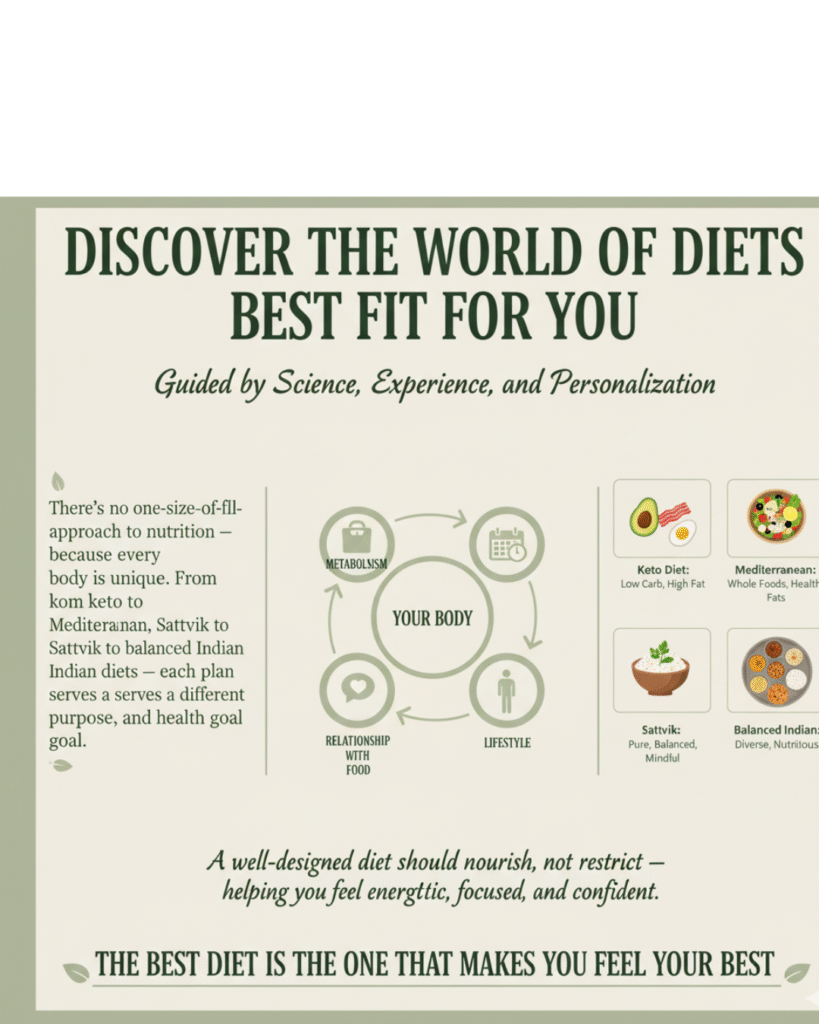
In contemporary nutritional discourse, the concept of a diet extends far beyond the confines of caloric restriction or aesthetic pursuit. It has evolved into a multidimensional framework that encompasses physiological optimization, metabolic equilibrium, and the preservation of long-term vitality. Yet, amid the proliferation of divergent dietary doctrines — each asserting scientific legitimacy — individuals frequently encounter ambiguity in discerning the regimen most compatible with their intrinsic biological and lifestyle parameters.
To navigate this complexity, one must approach nutrition not as a transient trend but as an individualized science — one that aligns dietary design with genetic constitution, metabolic adaptability, and psychosocial context.
The Multifaceted Landscape of Dietary Frameworks
Every dietary paradigm exerts its influence through unique biochemical pathways, modulating energy metabolism, hormonal signaling, and nutrient bioavailability. A nuanced comprehension of these mechanisms is imperative prior to implementation.
1. The Mediterranean Model
Universally acknowledged for its cardioprotective efficacy, the Mediterranean diet emphasizes the consumption of whole grains,legumes, nuts. Enriched with monounsaturated fatty acids and polyphenolic antioxidants, this dietary archetype attenuates systemic inflammation, enhances lipid regulation, and safeguards cognitive function.
2. The Ketogenic Regimen
The ketogenic diet predicates its principles on high-fat, low-carbohydrate intake, thereby inducing a metabolic shift toward ketosis, wherein lipid oxidation supersedes glucose utilization as the primary energy pathway. While efficacious in expediting fat loss and stabilizing glycaemic indices, prolonged adherence necessitates vigilant supervision to prevent micronutrient insufficiencies and hepatic strain.
3. The Plant-Based Protocol
Anchored in the consumption of fruits, vegetables, legumes, whole grains, nuts, and seeds, the plant-based diet promotes physiological harmony through antioxidative defense and improved gut microbiota diversity. When meticulously balanced to include adequate sources of vitamin B12, iron, calcium, and omega-3 fatty acids, it confers enduring benefits for cardiovascular and metabolic health.
4. The Intermittent Fasting Mechanism
Intermittent fasting (IF) distinguishes itself not by dietary composition but by temporal restriction. By delineating structured eating intervals — such as the 16:8 or 5:2 methodologies — IF enhances insulin sensitivity, stimulates autophagic cellular repair, and optimizes fat metabolism. Nonetheless, appropriate hydration, nutrient density, and consistency are indispensable to maintain physiological equilibrium.
5. The DASH Framework
Formulated primarily for the amelioration of hypertension, the Dietary Approaches to Stop Hypertension (DASH) plan prioritizes low-sodium, nutrient-abundant foods including vegetables, fruits, whole grains, lean proteins, and low-fat dairy. Its empirically validated impact on vascular health renders it one of the most balanced and evidence-based dietary constructs.
Personalization: The Quintessence of Effective Nutrition
No dietary model can be deemed universally applicable. Genetic polymorphisms, metabolic rate variability, gut microbial composition, and psychosomatic influences collectively determine the efficacy of a nutritional strategy.
Hence, the paradigm of personalized dietetics—rooted in clinical assessment and nutritional genomics—represents the pinnacle of modern dietetic practice. Collaboration with a qualified dietitian ensures alignment between biological necessity and behavioral sustainability, transforming diet into a therapeutic instrument rather than a transient regimen.
Guiding Principles for Dietary Selection
- Sustainability Over Stringency: A truly effective diet is one that can be maintained with ease and psychological comfort, rather than through deprivation.
- Nutrient Density as a Priority: The qualitative dimension of food supersedes mere caloric arithmetic; micronutrient adequacy underlies all metabolic integrity.
- Hydration and Digestive Harmony: Optimal fluid intake and prebiotic nourishment fortify digestion and systemic detoxification.
- Mindful Consumption: Conscious engagement with the sensory and emotional aspects of eating cultivates moderation and metabolic balance.
Conclusion
To traverse the expansive realm of diets is to engage in a profound exploration of one’s own biology. Each dietary philosophy offers distinct advantages, yet the ideal plan is that which harmonizes with the individual’s metabolic constitution, psychological disposition, and lifestyle cadence.
Nutrition, when practiced as an art of precision and self-awareness, transcends transient fads and becomes an enduring philosophy of health. The essence of an effective diet lies not in rigid conformity but in balance, adaptability, and sustained nourishment — the hallmarks of genuine dietary sophistication.