Clinical nutrition framework for hypothyroidism via Indian diet.
Scientific Indian dietary strategy for thyroid and metabolic balance.
4/14/20262 min read

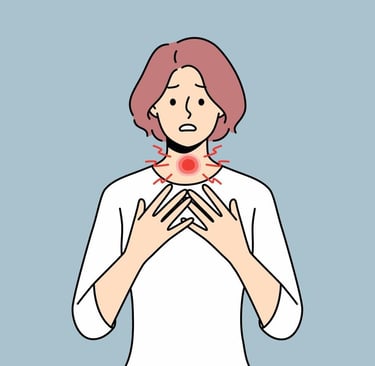
Indian Diet Chart for Hypothyroidism: An Advanced Clinical Nutrition Framework:
Hypothyroidism is an endocrine disorder characterized by insufficient secretion of thyroid hormones, resulting in a reduced basal metabolic rate, fatigue, weight gain, and systemic physiological deceleration. A meticulously structured, nutrient-dense Indian dietary regimen can play a pivotal role in optimizing thyroid function, enhancing metabolic efficiency, and improving overall health outcomes.
Nutritional Priorities in Hypothyroidism Management
Effective dietary modulation necessitates emphasis on the following micronutrients and macronutrients:
Iodine: Indispensable for thyroid hormone biosynthesis
Selenium: Facilitates peripheral conversion of thyroxine (T4) to triiodothyronine (T3)
Zinc and Iron: Integral to endocrine regulation and enzymatic activity
Protein: Augments thermogenesis and metabolic turnover
Dietary Fiber: Enhances gastrointestinal motility and alleviates constipation
Early Morning Regimen (Metabolic Priming)
One glass of lukewarm water with lemon
Four to five soaked almonds and one to two walnuts
Rationale: Initiates digestive processes and provides essential fatty acids for metabolic activation
Breakfast (Protein-Enriched and Nutritionally Balanced)
Options:
Vegetable oats or cracked wheat (dalia)
Chickpea flour (besan) chilla or paneer-based preparations
Two boiled eggs accompanied by whole-grain toast
Guideline: Restrict excessive soy consumption and eliminate ultra-processed foods
Mid-Morning Intake
One serving of fruit (apple, papaya, or guava)
Coconut water (optional)
Rationale: Maintains glycemic equilibrium and supports hydration status
Midday Meal (Nutrient-Dense Composition)
One to two whole wheat flatbreads or a moderate portion of brown rice
A protein source such as lentils, paneer, or lean poultry
Green leafy vegetables (e.g., spinach, fenugreek leaves)
Fresh raw salad
Guideline: Utilize iodized salt in controlled quantities to ensure adequate iodine intake
Evening Intake
Green tea or herbal infusion
Roasted chickpeas or fox nuts (makhana)
Rationale: Aids in appetite regulation and prevents excessive caloric intake
Evening Meal (Light and Easily Digestible)
Vegetable-based soups, sautéed vegetables, or paneer preparations
Avoidance of heavy, lipid-rich, and carbohydrate-dense meals during late hours
Guideline: Ensure meal consumption at least two to three hours prior to sleep
Recommended Dietary Inclusions
Whole grains (oats, brown rice, millets)
Nuts and seeds (flaxseeds, walnuts)
Dairy products in moderation
Eggs and lean animal protein
Seasonal fruits and a diverse range of vegetables
Dietary Restrictions and Precautions
Limit excessive intake of soy-derived products
Avoid highly processed, sugar-laden खाद्य पदार्थ
Restrict consumption of cruciferous vegetables in raw form (such as cabbage and broccoli) due to potential goitrogenic effects
Eliminate refined flour-based products
Lifestyle Modifications
Engage in consistent physical activity (30–40 minutes daily)
Maintain regular meal timing to support circadian rhythm
Ensure adequate sleep duration (7–8 hours)
Implement stress management strategies
Fundamental Principle
Dietary management of hypothyroidism should aim to restore hormonal equilibrium, enhance metabolic efficiency, and support endocrine function through sustained nutritional adequacy and balanced dietary practices.
Concluding Perspective
A strategically designed Indian dietary pattern can serve as an effective adjunct in the clinical management of hypothyroidism. Emphasis should be placed on long-term sustainability, micronutrient sufficiency, and individualized dietary planning, rather than transient or restrictive dietary interventions.
A personalized nutritional protocol, aligned with individual biochemical parameters, lifestyle patterns, and pharmacological treatment, can further optimize therapeutic outcomes.