Evidence-based DASH diet for hypertension management and cardiovascular risk reduction.
Evidence-based diet for blood pressure control and cardiovascular risk reduction through nutritional modification.
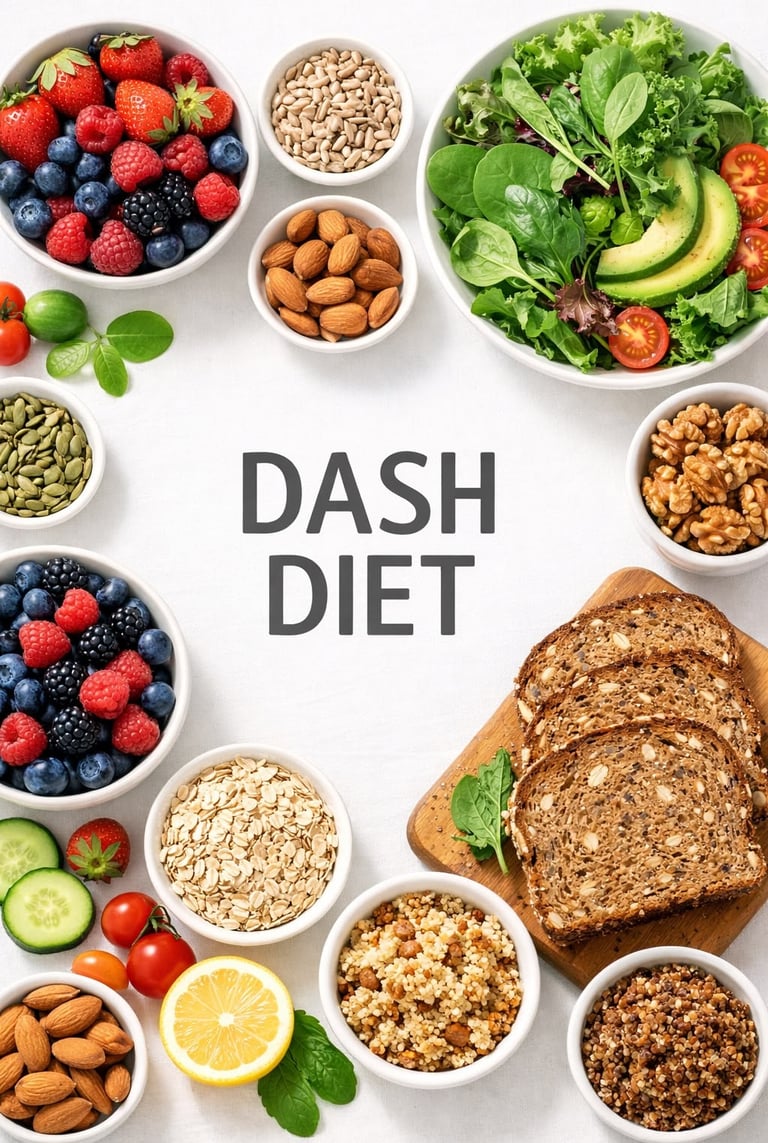

DASH Diet: An Evidence-Based Nutritional Intervention for Hypertension Management:
Introduction
The DASH Diet (Dietary Approaches to Stop Hypertension) is a rigorously evidence-based nutritional protocol formulated for the prevention and therapeutic management of hypertension. It is extensively endorsed in clinical dietetics owing to its proven efficacy in attenuating arterial blood pressure and optimizing cardiovascular functionality through systematic dietary modulation.
Conceptual Framework
The DASH dietary pattern constitutes a scientifically structured nutritional regimen characterized by the preferential intake of micronutrient-dense foods—particularly those abundant in potassium, calcium, magnesium, dietary fiber, and antioxidant compounds—while concurrently imposing stringent limitations on sodium, saturated fatty acids, and refined sugars. Its primary physiological objective is the amelioration of vascular resistance and the enhancement of endothelial homeostasis.
Fundamental Principles
Deliberate restriction of sodium intake to facilitate blood pressure regulation
Predominant consumption of whole grains, fruits, and vegetables
Incorporation of low-fat or non-fat dairy products as calcium sources
Emphasis on lean protein sources including fish, poultry, and legumes
Minimization of red meat, ultra-processed foods, and refined carbohydrates
Augmentation of dietary fiber and essential micronutrient density
Nutritional Composition Profile
Carbohydrates: Predominantly complex polysaccharides derived from whole grains
Proteins: Emphasis on plant-derived proteins with selective lean animal sources
Lipids: Restriction of saturated fats with preference for unsaturated fatty acids
Micronutrients: Elevated intake of potassium, magnesium, and calcium
Sodium: Controlled intake, typically within 1500–2300 mg/day depending on clinical indication
Therapeutic Benefits
Cardiovascular Regulation
The DASH regimen significantly reduces systolic and diastolic blood pressure through synergistic effects of sodium restriction and mineral repletion.
Cardioprotective Action
It mitigates the risk of atherosclerotic progression, coronary artery disease, and cerebrovascular events via lipid profile optimization.
Metabolic Enhancement
Contributes to improved insulin sensitivity and supports maintenance of healthy body composition.
Renal Protection
Reduces hemodynamic stress on renal structures by modulating sodium and protein intake in hypertensive pathology.
Clinical Indications
The DASH Diet is clinically indicated in:
Essential and secondary hypertension
Pre-hypertensive metabolic states
Cardiovascular risk stratification
Metabolic syndrome
Obesity-associated hypertension
Constraints and Considerations
Requires sustained dietary adherence and behavioral modification
May pose challenges in populations habituated to high-sodium processed diets
Necessitates individualized adaptation in renal insufficiency or electrolyte disorders
Role of Clinical Nutritionist
A dietitian assumes a pivotal role in:
Formulation of individualized dietary prescriptions
Continuous monitoring of sodium and nutrient intake
Patient education and behavioral compliance reinforcement
Long-term lifestyle and metabolic risk management
Conclusion
The DASH Diet represents a cornerstone of contemporary clinical nutrition, functioning as a non-pharmacological, evidence-based intervention for hypertension control. Its structured dietary architecture provides substantial therapeutic value in cardiovascular risk reduction and systemic metabolic optimization.