Prebiotics vs Probiotics: Scientific overview of gut health optimization and microbiome balance.
Scientific comparison of prebiotics and probiotics in gut health.
Prebiotics vs Probiotics: A Scientific Perspective on Gastrointestinal Health Optimization:
Gastrointestinal health is a fundamental determinant of overall physiological well-being, influencing digestion, immune modulation, metabolic regulation, and even neurochemical balance. Within this context, prebiotics and probiotics are two essential dietary components that contribute significantly to the maintenance of a stable and functional gut microbiome. Although often used interchangeably in common discourse, they differ substantially in structure, function, and biological role.
This article provides a detailed, advanced-level explanation of prebiotics and probiotics, their mechanisms of action, dietary sources, and synergistic importance in human nutrition.
Definition of Probiotics
Probiotics are live, beneficial microorganisms, predominantly bacteria and certain yeast strains, which confer health benefits to the host when consumed in adequate amounts. They colonize the intestinal tract and help restore microbial equilibrium.
Physiological Functions of Probiotics:
Restoration and maintenance of gut microbial homeostasis
Enhancement of digestive efficiency and nutrient bioavailability
Strengthening of host immune response through gut-associated lymphoid tissue (GALT) modulation
Reduction of gastrointestinal disturbances such as bloating, constipation, and dysbiosis
Potential role in regulating gut-brain axis communication
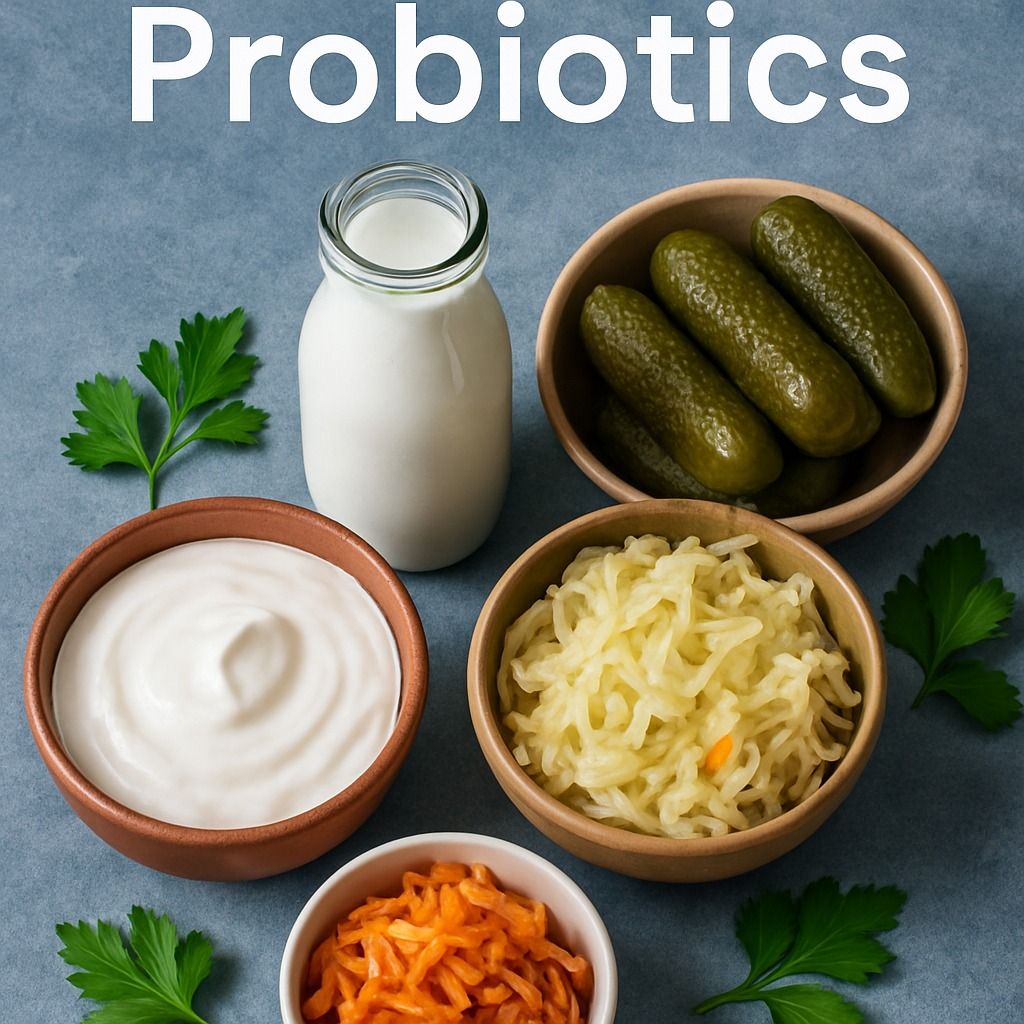
Dietary Sources of Probiotics:
Fermented dairy products such as curd (yogurt) and buttermilk
Kefir and cultured milk products
Naturally fermented foods including dosa and idli batter
Fermented vegetables such as kimchi and sauerkraut
Traditional pickled foods (naturally fermented variants)
Definition of Prebiotics
Prebiotics are non-digestible dietary substrates, primarily composed of fermentable fibers, that selectively stimulate the growth and activity of beneficial gut microbiota. Unlike probiotics, they do not contain live organisms but instead serve as metabolic fuel for microbial proliferation.
Physiological Functions of Prebiotics:
Selective stimulation of beneficial bacterial colonies such as Bifidobacteria and Lactobacilli
Promotion of short-chain fatty acid (SCFA) production, enhancing colonic health
Improvement of intestinal motility and stool consistency
Augmentation of mineral absorption, particularly calcium and magnesium
Modulation of immune responses and systemic inflammation
Dietary Sources of Prebiotics:
Allium vegetables such as garlic and onions
Fruits including bananas and apples
Whole grains such as oats and barley
Leguminous plants (lentils, beans, chickpeas)
Asparagus and other fiber-rich vegetables
Comparative Analysis: Prebiotics vs Probiotics
ParameterProbioticsPrebioticsBiological NatureLive microorganismsNon-digestible fermentable fibersPrimary FunctionIntroduce beneficial bacteriaNourish existing beneficial bacteriaMechanism of ActionDirect microbial supplementationSelective bacterial fermentation substrateDietary OriginFermented foodsFiber-rich plant-based foodsRole in Gut HealthMicrobial colonizationMicrobial sustenance and proliferation
Symbiotic Relationship and Functional Synergy
Prebiotics and probiotics exhibit a symbiotic interdependence, wherein probiotics require prebiotic substrates for optimal survival, proliferation, and metabolic activity. This interaction forms the basis of a stable intestinal ecosystem, often referred to as the gut microbiota equilibrium.
The absence of either component may result in:
Dysbiosis (microbial imbalance)
Impaired digestive efficiency
Reduced immune resilience
Increased gastrointestinal discomfort
Clinical and Metabolic Significance of Gut Microbiota Balance
A well-regulated intestinal microbiome is associated with multiple systemic benefits, including:
Enhanced immunological defense mechanisms
Improved macronutrient metabolism
Reduction in chronic low-grade inflammation
Stabilization of mood and cognitive function via gut-brain axis pathways
Support in body weight regulation and metabolic efficiency
Dietary Integration Strategy
A nutritionally optimized diet should incorporate both prebiotic and probiotic components in a structured manner:
Inclusion of fermented foods (curd, buttermilk) in daily meals
Regular consumption of fiber-rich fruits and vegetables
Use of whole grains as staple carbohydrates
Balanced meal composition to support microbial diversity
Reduction of ultra-processed and refined food intake
Conclusion
Prebiotics and probiotics represent two indispensable elements of gastrointestinal nutrition science. While probiotics introduce beneficial microbial populations into the intestinal ecosystem, prebiotics provide the essential metabolic substrates required for their sustenance and proliferation. Their combined action ensures microbial diversity, digestive efficiency, and systemic health stability.
A scientifically structured diet incorporating both components is therefore fundamental for achieving optimal gastrointestinal function and long-term metabolic health.