Clinical nutrition plan for cholesterol management.
Structured dietary approach to improve lipid profile and reduce cholesterol levels.
3-Day Dietary Intervention Plan for the Management of Hypercholesterolemia: A Clinical Nutrition Framework:
Elevated serum lipid levels, particularly increased low-density lipoprotein (LDL), are strongly associated with heightened cardiovascular risk in conditions such as Hypercholesterolemia. A short-duration, structured dietary protocol can function as an initial metabolic corrective strategy to facilitate lipid modulation, which, when sustained, contributes to long-term cardiometabolic improvement.
Fundamental Nutritional Objectives
An evidence-aligned cholesterol-lowering dietary regimen emphasizes:
Restriction of saturated fatty acids and elimination of trans fats
Augmentation of soluble dietary fiber intake
Inclusion of phytosterols, antioxidants, and micronutrient-dense foods
Prioritization of whole, minimally processed dietary constituents
Day 1: Fiber-Enriched Metabolic Cleansing Protocol
Morning Intake
Lukewarm water with lemon infusion
Soaked almonds (5–6 units)
Breakfast
Oatmeal enriched with flaxseeds and apple segments
Unsweetened green tea
Mid-Morning
Guava or pear (high pectin content)
Midday Meal
Whole wheat flatbread (1–2 units)
Moong dal preparation
Mixed vegetable sabzi (bottle gourd, beans, carrot)
Raw salad
Evening Intake
Roasted chickpeas or fox nuts (makhana)
Herbal infusion
Dinner
Clear vegetable broth with lightly sautéed spinach or low-fat paneer
Day 2: Cardioprotective Nutrient Optimization Phase
Morning Intake
Fenugreek seed (methi) infused water
Breakfast
Low-oil vegetable upma or cracked wheat (dalia) preparation
Mid-Morning
Apple or papaya
Midday Meal
Controlled portion of brown rice
Rajma or chickpea curry
Fresh green salad
Evening Intake
Green tea accompanied by walnuts (2–3 units)
Dinner
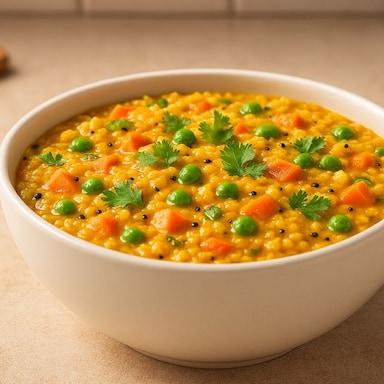
Light vegetable khichdi with controlled oil usage
Day 3: Lipid Regulatory Stabilization Phase
Morning Intake
Warm lemon water combined with soaked flaxseeds
Breakfast
Besan (gram flour) chilla with vegetable incorporation
Mid-Morning
Orange or guava
Midday Meal
Whole wheat flatbread (2 units)
Moong or masoor dal
Okra or bottle gourd sabzi
Salad
Evening Intake
Low-fat buttermilk with roasted seeds
Dinner
Clear vegetable soup with lightly cooked seasonal vegetables
Therapeutic Food Groups for Lipid Modulation
Whole grains: oats, barley, millets
Pulses and legumes: lentils, chickpeas, kidney beans
Fruits rich in soluble fiber: apple, citrus fruits, guava
Nuts and seeds: walnuts, flaxseeds, chia seeds
Green leafy vegetables: spinach, fenugreek leaves
Dietary Exclusions (Mandatory Restrictions)
Deep-fried and trans-fat–containing खाद्य पदार्थ
Industrially processed bakery and packaged foods
Excess saturated fats (ghee, butter, fatty meats)
Refined carbohydrates and sugar-sweetened beverages
Adjunct Lifestyle Interventions
Minimum 30–40 minutes of daily aerobic activity
Maintenance of circadian sleep rhythm (7–8 hours)
Abstinence from tobacco and alcohol consumption
Stress mitigation via yogic practices or mindfulness techniques
Core Clinical Principle
Effective management of dyslipidemia necessitates sustained dietary restructuring focused on fiber enrichment, lipid quality modification, and reduction of atherogenic fat intake, rather than transient restrictive dietary measures.
Concluding Insight
This 3-day protocol serves as an initial metabolic recalibration strategy aimed at improving lipid homeostasis. Long-term cardiovascular risk reduction requires consistent adherence to a structured cardioprotective diet and lifestyle optimization.