Nutritionally optimized Indian recipes for effective blood pressure regulation.
A strategic dietary approach incorporating low-sodium, nutrient-dense Indian meals to support cardiovascular health and manage hypertension.
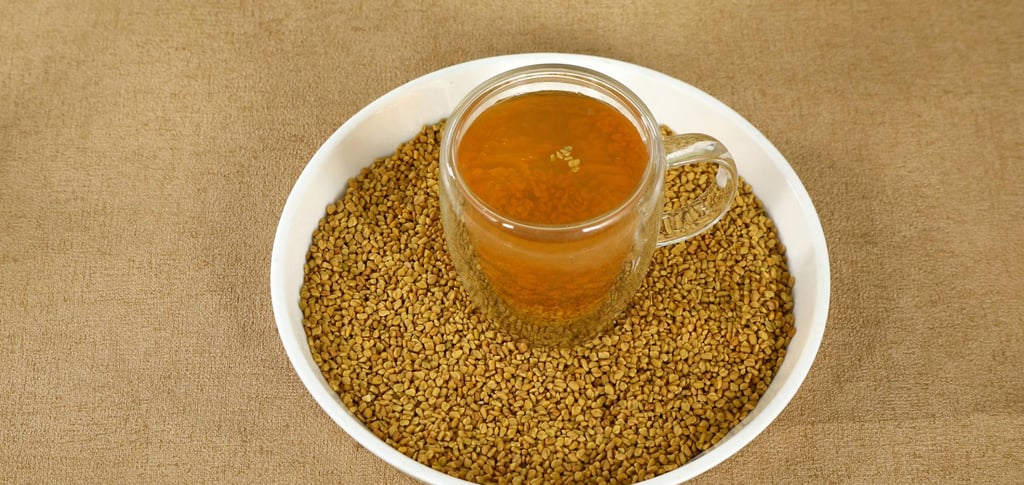
Five Indian Recipes That May Help Control Blood Pressure:
An Advanced Nutritional Perspective on Dietary Management of Hypertension
Understanding Blood Pressure and Diet
Hypertension is a chronic cardiovascular disorder significantly influenced by excessive sodium consumption, inadequate potassium intake, sedentary behavior, and suboptimal dietary patterns. Strategic inclusion of nutrient-dense, low-sodium, and potassium-rich foods plays a pivotal role in modulating blood pressure and maintaining vascular homeostasis.
1. Vegetable Oats Upma
A nutritionally optimized variant of conventional upma incorporating oats and assorted vegetables.
Key Ingredients: Oats, carrots, beans, peas, mustard seeds, curry leaves
Benefits:
Abundant in soluble fiber, facilitating lipid and blood pressure regulation
Low sodium profile supports cardiovascular function
Enhances satiety and metabolic balance
2. Lauki (Bottle Gourd) Soup
A hydrating and easily digestible preparation conducive to cardiovascular health.
Key Ingredients: Bottle gourd, garlic, black pepper, restricted salt content
Benefits:
High aqueous content promotes hydration and circulatory efficiency
Hypocaloric and low in sodium
Contributes to vascular relaxation and blood pressure regulation
3. Palak Dal (Spinach Lentil Curry)
A micronutrient-rich amalgamation of legumes and green leafy vegetables.
Key Ingredients: Moong dal, spinach, turmeric, cumin
Benefits:
Rich source of potassium and magnesium, essential for electrolyte equilibrium
Facilitates neuromuscular function and vascular tone regulation
Supports optimal blood pressure maintenance
4. Cucumber Mint Raita
A probiotic-rich, cooling adjunct that supports digestive and cardiovascular health.
Key Ingredients: Low-fat curd, cucumber, mint, roasted cumin powder
Benefits:
Enhances gut microbiota through probiotic content
High water and potassium content aids in blood pressure modulation
Provides a thermoregulatory and soothing physiological effect
5. Multigrain Roti with Mixed Vegetable Sabzi
A balanced dietary composition integrating complex carbohydrates and phytonutrient-rich vegetables.
Key Ingredients: Multigrain flour, seasonal vegetables, minimal oil
Benefits:
High dietary fiber content supports metabolic and cardiovascular health
Assists in weight regulation, a key factor in hypertension management
Promotes sustained energy release and glycemic control
Additional Dietary Considerations
Enforce sodium restriction and eliminate ultra-processed food products
Augment intake of potassium-rich fruits such as bananas and citrus fruits
Maintain optimal hydration status
Incorporate regular physical activity to enhance cardiovascular efficiency
Final Remarks
The dietary management of hypertension necessitates a comprehensive and evidence-based approach emphasizing nutrient density, sodium restriction, and lifestyle optimization. Consistent adherence to these dietary interventions can significantly contribute to blood pressure regulation and overall cardiovascular well-being.