Strategic use of superfoods for optimal nutrition.
Incorporating nutrient-dense superfoods into daily meals to enhance health, improve energy levels, and support overall well-being.
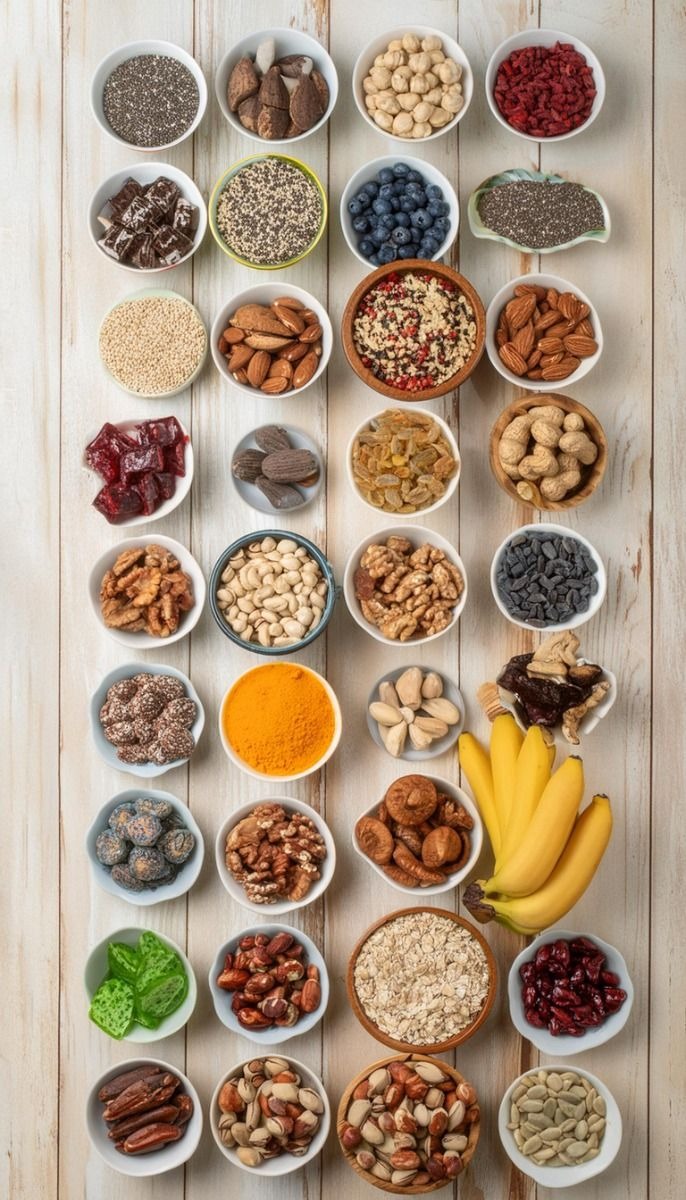
Superfoods – Strategic Integration into a Nutrient-Optimized Diet:
Superfoods are nutritionally dense food sources endowed with a high concentration of essential micronutrients, bioactive compounds, and antioxidants. Their systematic inclusion within daily dietary patterns can substantially enhance physiological functioning and overall health outcomes.
Conceptual Understanding of Superfoods
Superfoods are naturally occurring खाद्य पदार्थ characterized by superior nutritional profiles relative to their caloric content. They play a pivotal role in augmenting immune competence, elevating metabolic efficiency, facilitating weight regulation, and promoting holistic well-being.
Prominent Superfoods and Their Dietary Incorporation
Leafy Greens (Spinach, Kale, Fenugreek Leaves)
Nutritional Significance: Abundant in iron, calcium, chlorophyll, and antioxidant phytochemicals
Modes of Inclusion:
Integrate into nutraceutical smoothies and detox beverages
Incorporate within legume-based preparations (dal), vegetable curries, or flatbreads
Utilize as foundational components in salads and broths
Berries (Strawberries, Blueberries)
Nutritional Significance: Rich repository of polyphenols and antioxidants contributing to dermal health and immunomodulation
Modes of Inclusion:
Fortify breakfast cereals such as oatmeal or probiotic yogurt
Blend into functional beverages like smoothies
Consume as low-calorie, nutrient-rich snacks
Nuts and Seeds (Almonds, Chia Seeds, Flaxseeds)
Nutritional Significance: High in essential fatty acids, plant-based protein, and dietary fiber
Modes of Inclusion:
Sprinkle over salads, cereals, or fermented dairy products
Incorporate into smoothies and baked preparations
Consume soaked almonds to enhance bioavailability of nutrients
Whole Grains (Quinoa, Oats, Brown Rice)
Nutritional Significance: Complex carbohydrates with high fiber content, promoting satiety and glycemic control
Modes of Inclusion:
Substitute refined grains with whole-grain alternatives
Initiate the day with fiber-rich oatmeal preparations
Employ quinoa in composite dishes such as salads or pilaf
Yogurt (Curd)
Nutritional Significance: Probiotic-rich food supporting gastrointestinal microbiota and digestive health
Modes of Inclusion:
Accompany main meals as a probiotic adjunct
Transform into beverages such as buttermilk or lassi
Combine with fruits to create nutritionally enriched desserts
Honey and Turmeric
Nutritional Significance: Possess potent anti-inflammatory and immunomodulatory properties
Modes of Inclusion:
Consume turmeric-infused milk (golden milk) for therapeutic benefits
Add honey to lukewarm water or herbal infusions
Integrate turmeric into routine culinary preparations
Structured Daily Superfood Regimen
Morning: Lukewarm water infused with honey accompanied by soaked almonds
Breakfast: Oatmeal enriched with fruits and seeds
Lunch: Whole grains (brown rice/roti) with green vegetables and probiotic curd
Snack: Seasonal fruits or mixed nuts
Dinner: Light vegetable-based meal complemented by turmeric milk
Strategic Recommendations
Initiate gradual dietary modifications rather than abrupt changes
Prioritize locally sourced and seasonal superfoods
Maintain nutritional equilibrium across macronutrients and micronutrients
Emphasize consistency over sporadic adherence
Conclusion
The incorporation of superfoods into daily nutrition does not necessitate radical dietary overhauls. Rather, a methodical and consistent integration of these nutrient-dense खाद्य पदार्थ can significantly optimize health, vitality, and metabolic balance.