Summer weight loss through metabolic advantage of heat.
Utilizing hot weather to enhance metabolism and support efficient weight loss.
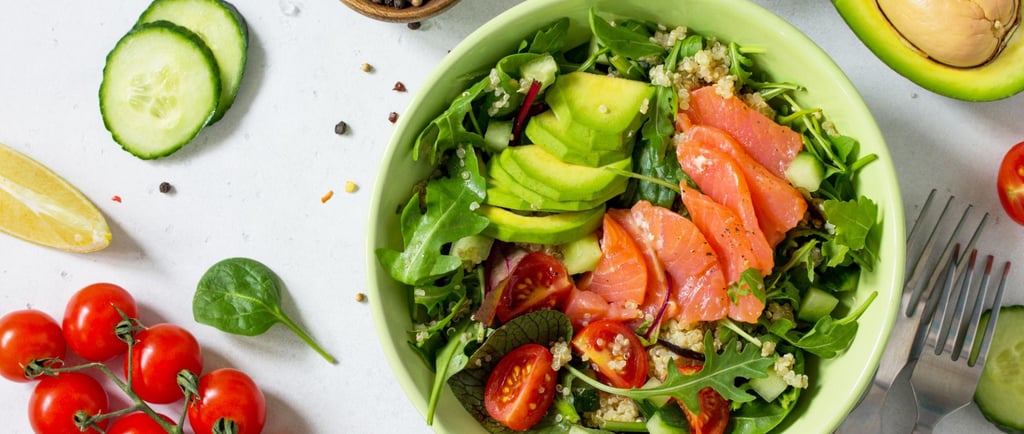
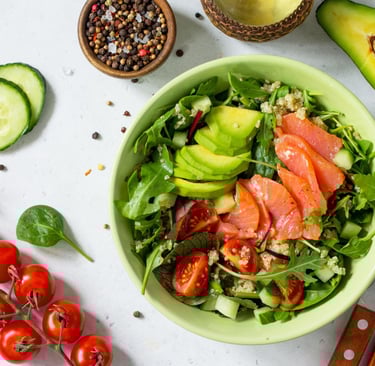
Summer Weight Loss: Leveraging Elevated Ambient Temperatures for Metabolic Advantage:
The summer season constitutes a distinctive physiological milieu that may be strategically exploited to augment weight reduction through precise dietary modulation, optimized hydration, and adaptive metabolic regulation. Elevated environmental temperatures influence appetite dynamics, fluid homeostasis, and energy expenditure, thereby creating a conducive framework for fat loss when managed judiciously.
Physiological Adaptations in Response to Heat
Exposure to high ambient temperatures induces several systemic responses:
Appetite suppression mediated by thermoregulatory mechanisms
Enhanced perspiration, resulting in fluid and electrolyte depletion
Increment in basal energy expenditure to sustain thermal homeostasis
Collectively, these adaptations can facilitate a calorie-controlled and metabolically efficient state favorable for weight reduction.
Strategic Dietary Interventions
1. Prioritization of Hydrating, Low-Energy-Density Foods
Incorporate water-dense खाद्य पदार्थ such as cucumber, watermelon, bottle gourd, and citrus fruits to promote satiety with minimal caloric contribution.
2. Consumption of Light, Easily Digestible Meals
Prefer nutritionally balanced yet easily digestible भोजन, including salads, fermented dairy preparations, and minimally processed cereals, to reduce gastrointestinal burden and optimize nutrient assimilation.
3. Augmentation of Protein Intake
Ensure adequate inclusion of high-quality protein sources such as paneer, curd, legumes, and lean animal protein to preserve lean body mass and enhance satiety.
4. Elimination of Energy-Dense, Processed Foods
Restrict intake of lipid-rich and ultra-processed खाद्य पदार्थ that may impair digestion, induce lethargy, and hinder metabolic efficiency in high-temperature conditions.
Hydration as a Critical Metabolic Determinant
Maintaining optimal hydration is imperative due to excessive fluid loss via perspiration:
Daily intake of approximately 2.5–3.5 liters of fluids
Inclusion of electrolyte-rich beverages such as coconut water, buttermilk, and lemon-infused water
Metabolic Implication: Adequate hydration supports enzymatic function, mitigates false hunger cues, and facilitates lipid oxidation.
Optimization of Physical Activity
1. Temporal Adjustment of Exercise
Schedule physical activity during early morning or late evening to minimize thermal stress and maintain exercise efficiency.
2. Emphasis on Sustainable Activity Patterns
Engage in moderate-intensity activities such as ambulatory exercise, yoga, and resistance training to ensure long-term adherence.
3. Interpretation of Perspiration
While perspiration reflects thermoregulatory activity rather than direct adipose tissue reduction, it complements overall caloric expenditure.
Lifestyle Modifications
Utilize breathable, lightweight attire to facilitate thermoregulation
Ensure adequate sleep duration (7–8 hours) to maintain hormonal equilibrium
Avoid sugar-laden beverages that contribute to unnecessary caloric surplus
Common Errors to Avoid
Misinterpretation of dehydration as hunger, leading to hyperphagia
Irregular meal patterns causing metabolic inefficiency
Excessive consumption of packaged beverages and refined sugars
Prolonged exposure to heat resulting in fatigue and reduced physical activity
Fundamental Principle
Effective summer weight management necessitates a hydration-centric, nutritionally balanced, and metabolically adaptive approach, ensuring sustained caloric deficit without compromising physiological stability.
Concluding Perspective
When strategically aligned with environmental conditions, the summer season can serve as an efficacious period for weight reduction. The integration of nutritional precision, hydration optimization, and lifestyle adaptability facilitates sustainable and clinically effective fat loss outcomes.
If required, this content may be further refined into concise educational formats, visual posts, or structured dietary protocols.