Winter diet for weight reduction with advanced metabolic approach.
Strategic winter nutrition to enhance metabolism and support effective fat loss,
Winter Diet for Weight Reduction: An Advanced Metabolic and Nutritional Framework:
The winter season is frequently associated with augmented appetite, diminished physical activity, and an increased inclination toward energy-dense comfort foods, thereby posing challenges to effective weight management. Nevertheless, through a strategically structured and nutritionally optimized dietary regimen, this period can be leveraged to enhance metabolic efficiency and facilitate adipose tissue reduction.
Seasonal Influence on Metabolic Function
During colder climatic conditions, the body expends additional energy to maintain thermoregulation, which may:
Intensify hunger signals
Elevate caloric demand
Provide a physiological opportunity for controlled fat loss when dietary intake is regulated
A meticulously balanced diet is essential to counteract excessive caloric intake while sustaining metabolic equilibrium.
Core Dietary Strategies
1. Emphasis on Warm, Fiber-Rich Foods
Incorporate thermally warm and fiber-dense खाद्य पदार्थ such as vegetable soups, oats, cracked wheat (dalia), and legumes.
Physiological Benefit: Enhances satiety, improves gastrointestinal motility, and supports glycemic regulation
2. Augmentation of Protein Intake
Include high-biological-value protein sources such as paneer, eggs, lean poultry, and legumes.
Metabolic Benefit: Promotes thermogenesis, preserves lean muscle mass, and reduces appetite fluctuations
3. Inclusion of Seasonal Vegetables
Prioritize nutrient-dense winter produce such as carrots, spinach, fenugreek leaves, and beetroot.
Nutritional Benefit: Provides essential micronutrients, antioxidants, and dietary fiber
4. Controlled Consumption of Healthy Lipids
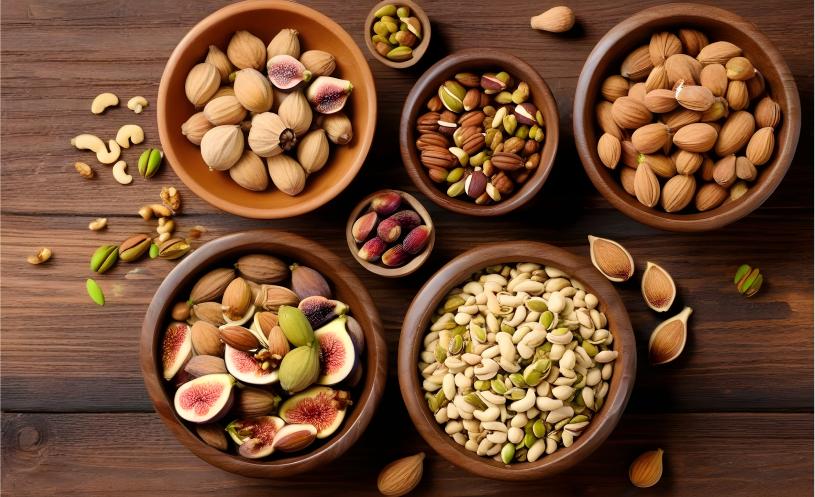
Incorporate moderate quantities of nuts, seeds, and limited clarified butter (ghee).
Metabolic Benefit: Supplies essential fatty acids and supports thermal comfort without excessive caloric surplus
5. Maintenance of Hydration via Warm Fluids
Consume warm beverages such as herbal infusions, soups, and lukewarm water.
Physiological Benefit: Prevents dehydration, enhances digestion, and assists in appetite regulation
Structured Meal Distribution
Morning: Lukewarm lemon-infused water with soaked nuts
Breakfast: Oats or vegetable-based preparations
Mid-Morning: Seasonal fruit intake
Midday Meal: Whole-grain flatbread with lentils, vegetables, and salad
Evening Intake: Herbal tea with roasted snacks
Dinner: Light soup or vegetable-based meal with protein source
Lifestyle Modifications
Maintain नियमित physical activity despite reduced ambient temperatures
Prefer freshly prepared, home-cooked warm meals over processed alternatives
Adhere to consistent meal timing to support circadian metabolic rhythms
Ensure adequate sleep duration (7–8 hours) for hormonal regulation
Common Dietary and Behavioral Errors
Excessive consumption of calorie-dense seasonal sweets and confections
Inadequate fluid intake due to reduced thirst perception
Sedentary behavior resulting from cold weather conditions
Overconsumption of fried and lipid-rich खाद्य पदार्थ
Fundamental Principle
Effective winter weight management necessitates the integration of caloric moderation, nutrient density, thermogenic food selection, and consistent lifestyle practices to sustain metabolic balance and facilitate fat loss.
Concluding Perspective
When approached with nutritional precision, the winter season can be transformed into an advantageous period for weight reduction. Emphasis should be placed on balanced dietary composition, portion control, and sustained behavioral adherence to achieve clinically effective and sustainable outcomes.